

Signs of car theft: how to spot suspicious movement of your vehicle
Discovering that your car is not exactly as you left it can be very unsettling. A changed mileage, an advanced seat, an alarm triggered in your absence... These are all clues that can suggest a vehicle theft or unauthorized movement. The purpose of this article is not to worry you, but to help you recognize the main signs of car theft and to give you simple reflexes to strengthen your car safety.
Whether you are an individual, an automotive professional, or an car insurance professional, these benchmarks will allow you to act calmly: check, note, secure, then, if necessary, alert the authorities and your insurer. Better informed, you are also better protected.

1. Unexplained mileage changes
The first indicator of a suspicious car movement is often the odometer. If you notice a significant difference between the memorized mileage and the one displayed on the dashboard, it may mean that the vehicle has been driven in your absence.
There's no need to panic for a few hundred meters, for example, if the car has been moved to a garage. However, several tens or hundreds of additional kilometers without an obvious explanation should catch your attention.
Practical tip: regularly note the mileage (photo of the dashboard or a simple note on your phone), especially if the vehicle remains parked in the same place for several days. In case of doubt, you will have objective proof for your insurer.
2. Personal items moved or missing from the cabin
Another sign of partial vehicle theft or intrusion is a change in the cabin. Items stored in the glove compartment, sunglasses, a bag, a phone charger, or various documents: if some items have changed place or disappeared, it may indicate that an unauthorized person has entered the vehicle.
Practical tip: avoid leaving valuable items visible in the cabin and always keep your vehicle documents at home. If in doubt, list what is missing and keep photos of the interior for easy comparison.
Discover Easy Finder 4G to monitor my vehicle 24/7
3. Visible signs of forced entry on locks or windows
Signs of forced entry are among the most obvious indications of an attempted theft. This could include scratches around the lock, a bent handle bar, damaged window trim, or a slightly dislodged window. Sometimes, the door seems to close less well or makes an unusual noise.
Even if the car is still present, a failed break-in should be taken seriously. The central locking system may have been damaged, and your vehicle's overall resistance to theft may have decreased.
Practical tip: if you notice these signs, take detailed photos and have the locking system checked by a professional as soon as possible. If there is strong suspicion of forced entry, file a complaint and inform your car insurance.
4. Unusual GPS alerts or suspicious travel history
If your vehicle is equipped with a car GPS or a connected tracker, the position history is a valuable tool. Alerts sent in the middle of the night, a movement when you are at work or on vacation, or a passage through an unknown area can be signs of car theft that should not be overlooked.
Modern tracking solutions often allow you to define safe zones (home, office, usual parking lot). A notification when the car leaves these zones outside of scheduled times is an excellent indicator of unauthorized movement.
Practical tip: set the alerts for your anti-theft system or geolocation application realistically to avoid false alarms. In the event of a confirmed alert, do not put yourself in danger: contact the police and provide them with the information.
5. Fuel level different from when you left it
A significant discrepancy in fuel can also be a sign of unauthorized movement. If you find your fuel gauge much lower (or exceptionally higher) than you remember, and no one else is supposed to be driving your car, it is legitimate to wonder.
Practical tip: when you fill up, note the mileage and fuel level. You can use a consumption tracking app or a simple notebook. These elements will be useful for reconstructing a potentially suspicious trip.
6. Driver's seat position or mirrors adjusted
A change in the position of the driver's seat, steering wheel, or mirrors is an often underestimated indicator. If you are the only one using the vehicle and you find your seat reclined, the backrest angle different, or your mirrors oriented differently, this could betray the intervention of another driver.
Of course, it could be a trip to the garage or a family member who borrowed the car. But, in the absence of a clear explanation, this detail should prompt you to check the other signs mentioned in this article.
Practical tip: memorize or photograph the position of your seat and mirrors if you leave the car in a parking lot for a long time, for example, at the airport or train station.
7. New scratches, dents, or damage on the bodywork
Discovering new scratches or a dent on the bodywork can signal an impact that occurred during a suspicious car movement. A thief or unauthorized user may have hit an obstacle while maneuvering or during a hurried parking, then returned the vehicle to its original location.
A scuffed rim, a streaked bumper, or a recent mark on the paint are all signals to compare with other clues: mileage, fuel, alarm, etc. The more converging signs there are, the more serious the suspicion becomes.
Practical tip: regularly inspect the exterior of your car, especially when you pick it up after a long period of parking in a public car park. In case of damage, take photos and report it promptly to your car insurance.
8. Unusual odors in the cabin
Our sense of smell is an excellent change detector. A smell of tobacco when you don't smoke, an unknown perfume, or a strong food odor can reveal the recent presence of another person in your vehicle.
Practical tip: if you are particularly sensitive to odors, write them down in a small notebook when you notice an unusual change. This may seem trivial, but these details can guide your thinking and complete a claim file.
9. Triggered alarm or anti-theft system notifications
Recent vehicles and some additional anti-theft systems send notifications in case of door opening, impact, or suspicious movement. If you receive several close alerts when your car is supposed to be stationary, it could be an attempted break-in or an actual movement.
Even if the vehicle is still in its place, it is essential to check the condition of the locks, windows, and interior after this type of alert. Sometimes the alarm scares away the individual, but the damage remains visible.
Practical tip: correctly configure your alarm notifications and check that they are not classified as spam on your phone. In case of an alert, do not minimize the signal: a simple visual check can avoid a bad surprise later.
10. What to do if you suspect theft or suspicious car movement?
If several clues converge (abnormal mileage, signs of forced entry, GPS alert, displaced objects), you may legitimately suspect total or partial vehicle theft. The important thing then is to act calmly, following a few simple steps.
- Gather factual elements: photos, mileage readings, GPS screenshots, list of missing items.
- Contact law enforcement to report the facts and, if necessary, file a complaint.
- Notify your car insurance quickly, respecting the deadlines indicated in your contract.
- Have the vehicle checked by a professional to verify its mechanical condition and safety.
In some cases, it may be a misunderstanding or a memory error. However, it is better to check once too often than to let a genuine undeclared suspicious movement go unnoticed.
Conclusion: remain vigilant without succumbing to paranoia
Spotting the signs of car theft or suspicious movement does not mean living in fear. It's more about adopting an attentive and structured approach to your vehicle. A few regular checks, the judicious use of a car GPS or an anti-theft system, and the correct reflex of quickly contacting your insurance and the authorities in case of doubt are enough to effectively strengthen your car safety.
By getting into the habit of checking the mileage, fuel level, bodywork condition, and any notifications received, you reduce the risk of discovering a theft or fraudulent use too late. A vigilant owner is often the best ally in theft prevention. These checks remain very simple.
Articles similaires
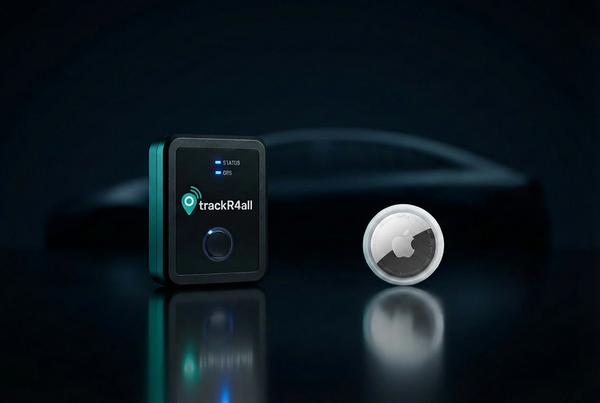
4G Tracker vs. Bluetooth Tracker: Which Tracking System Should You Choose
Between a 4G tracker and a Bluetooth tracker, the choice is not always obvious. Both promise to help you f...
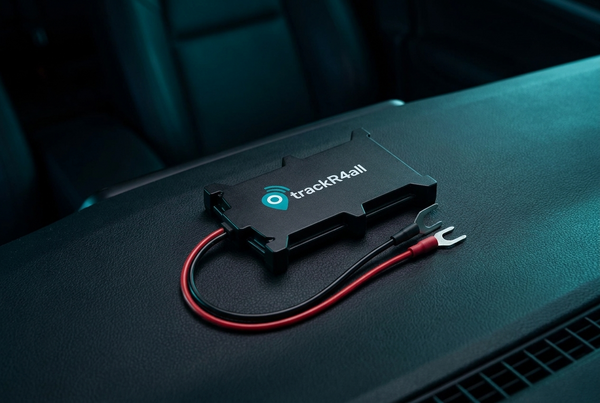
Easy Finder 4G installation: complete installation guide
This 4G GPS tracker has been designed to remain simple to use, while offering highly reliable real-time geo...

Driver behavior detection: how to spot abnormal driving behavior
Driver monitoring is no longer just for experts: it now concerns both road safety and risk management for ...