

What are the risks of leaving a vehicle unattended?
Leaving your car or utility vehicle parked on the street, in a parking lot, or even in front of your house seems harmless. However, the risks of leaving a vehicle unattended are numerous: theft, vandalism, damage, fines, impoundment, mechanical problems, or even fire. Whether you are a young driver, a fleet manager, or simply a motorist, understanding these risksis the first step to better protect your vehicle.
In this article, we will review the main dangers associated with an unattended vehicle, with concrete examples, practical advice, and ways to make your parking more secure. You will also find technological solutions such as the GPS tracker, useful for both individuals and professionals.
👉 In summary: the longer your vehicle remains stationary and unattended, the more the risks (theft, vandalism, impoundment, etc.) increase.
Do you want a concrete way to monitor it remotely? Discover the Easy Finder 4G tracker for cars and utility vehicles

1. Theft of the vehicle or items inside
The most obvious risk when leaving a vehicle unattended is car theft or the theft of items inside. A vehicle immobilized for several hours in the same place becomes an ideal target, especially if it is poorly protected or parked in a sparsely frequented area.
1.1. Theft of the vehicle itself
Thieves today use increasingly sophisticated techniques (electronic boxes, key relay, hacking of opening systems, etc.). A vehicle parked on the street, in a public or private unsupervised parking lot, is more vulnerable, especially at night.
For first-time owners, this can translate into a very simple situation: you go to do some errands, you leave the car in a poorly lit parking lot, and when you return... it's gone. For professionals (craftsman, delivery driver, fleet manager), the disappearance of a vehicle can also mean interruption of activity, dissatisfied customers, and financial losses.
- Aggravating factor: absence of visible protection system (mechanical anti-theft device, alarm) and absence of tracking device.
- Consequence: vehicle sometimes untraceable, long and uncertain insurance procedure.
1.2. Theft of objects, accessories or equipment
Even if the vehicle is not stolen, it can be targeted for its contents: handbag, laptop, tools, GPS, phone, work charger, merchandise, etc. Thieves sometimes break a window to grab a visible item on the seat or in the trunk.
For professionals, tools or merchandise left in a utility vehicle can represent thousands of euros worth of equipment. For an individual, a simple bag forgotten on a seat can be enough to attract attention.
- Basic reflex: never leave visible objects in the passenger compartment (even an empty bag).
- Advanced prevention: install a tracking system to be able to trace the vehicle's movements in case of theft.
👉 Protect your vehicle against theft: Easy Finder 4G – discreet tracker connected to the battery (car, utility vehicle)
Asset Finder 4G Rechargeable – ideal for utility vehicles, trailers, motorhomes, and equipment
2. Vandalism and damage to the vehicle
An unattended vehicle can also suffer acts of vandalism: scratches on the bodywork, broken windows, slashed tires, torn off rearview mirrors, graffiti, etc. This damage can occur after a neighborhood dispute, during festive events, demonstrations, or simply out of gratuitous malice.
For the general public, this type of damage is often experienced as an injustice: you discover your car damaged in the morning, without knowing who is responsible. For a professional, a damaged van can mean immobilization of the vehicle and difficulty in honoring construction sites.
- Potential costs: paint repair, replacement of windows, lights, tires, sometimes insurance deductible.
- More exposed areas: unsupervised parking lots, poorly lit streets, sensitive or very busy areas in the evening.
The best protection is to limit parking time in these areas and to prioritize, as much as possible, secure parking (monitored parking lot, closed garage, private courtyard).
👉 Do you regularly park on the street or in public parking lots?
A GPS tracker does not always deter vandalism, but it allows you to monitor vehicle movements, be alerted in case of unexpected displacement, and further secure your parking. See Trackr4all solutions for monitoring your vehicles
3. Risks related to weather conditions and environment
A vehicle left in the same place for a long time is also exposed to bad weather and its environment: rain, hail, frost, storms, high temperatures, falling tree branches, localized floods, etc. These elements can damage the bodywork, windows, seals, paint, and even some mechanical parts.
3.1. Bad weather and external damage
Hail and storms can cause dents, cracks, and broken glass. In the long term, a vehicle parked outside all year round also suffers from corrosion (rust) and accelerated degradation of seals and plastics.
- Prefer, if possible, a covered parking space or a shelter.
- Avoid parking under fragile or heavily loaded trees (branches, fruits, heavy snow).
- Regularly check the condition of the bodywork and seals.
3.2. Flooding and risk areas
A vehicle left unattended in an area prone to flooding (riverbank, underground parking, low-lying area of the city) can be quickly damaged in the event of rising water. The damage can be major: interior, electronics, engine.
👉 For professionals and individuals: if you know that your vehicle may remain parked for a long time in a risk area, consider monitoring it remotely. Asset Finder 4G – tracking vehicles parked on construction sites, parking lots, or isolated areas
4. Mechanical problems when a vehicle remains stationary
Another risk, often overlooked, concerns mechanics. A vehicle left stationary for days or weeks can encounter several problems:
- Discharged battery (especially in winter or on recent, highly electronic vehicles).
- Deformed or under-inflated tires (risk of puncture or reduced grip).
- Seized brakes (rust on discs, stuck pads).
- Fluids that age poorly if the car remains unused for many months.
For a beginner, these problems translate into a car that won't start or won't brake properly after a long period of inactivity. For a professional, it's one less vehicle to work with.
Some good practices:
- Start the vehicle regularly and drive a few kilometers.
- Check tire pressure before setting off after a long period of inactivity.
- Maintain the battery (top-up charge, replacement if too old).
5. Fines, abusive parking and impoundment
Leaving a vehicle unattended also carries the risk of administrative problems: parking fines, immobilization, and impoundment. A vehicle that doesn't move and obstructs traffic, blocks access, or occupies the same spot for too long can be considered in abusive or obstructive parking.
- Fine: in case of obstructive or dangerous parking.
- Impoundment: if the vehicle significantly obstructs or if the offense is repeated.
- Additional costs: removal, storage, administrative procedures, sometimes expert appraisal.
For fleet managers, several poorly parked vehicles can quickly generate significant costs and tarnish the company's image.
👉 Track the movements and prolonged immobilizations of your vehicles:
A GPS tracker makes it easy to locate a vehicle that hasn't moved for several days (risk of "car-limpet" or impoundment). Track a company or personal vehicle with Easy Finder 4G
6. Fire risks and serious accidents
Even when stationary, a vehicle can be the cause or victim of a fire: short circuit, overheating, deliberate act (vehicle set on fire), spread of a trash or neighboring building fire, etc. A vehicle left unattended in an area where a fire breaks out can be seriously damaged.
In these cases, the stake is as much material (vehicle value, repair costs) as it is legal (liability, insurance, expert appraisal procedure). It is important to know the guarantees of your insurance contract (theft, fire, climatic events, etc.).
7. Consequences for car insurance
Leaving a vehicle unattended can also have consequences for your car insurance. Depending on the type of claim (theft, vandalism, fire, natural disaster, flood, etc.) and the level of coverage (third-party, comprehensive, theft/fire, vandalism, etc.), you will not be compensated in the same way.
- Vehicle or accessory theft: requires theft coverage and, sometimes, accessory theft coverage.
- Vandalism: often covered by specific coverage or by comprehensive insurance.
- Fire or storm: covered if your contract includes these guarantees.
For professionals, an inadequately insured and unattended vehicle can represent a major risk for the business in the event of a claim. For a young driver, not knowing their coverages well can lead to unpleasant surprises in the event of theft or damage.
It is therefore recommended to:
- Reread your insurance contract and check theft, fire, and vandalism coverages.
- Adapt your coverages if the vehicle regularly sleeps outdoors or remains unattended for a long time.
- Inquire with your insurer about prevention options (sometimes a reduced premium with a tracking or alarm system).
8. How to reduce daily risks?
The good news is that there are many simple, accessible, and effective prevention solutions to reduce the risks associated with an unattended vehicle.
8.1. Good habits for secure parking
- Prioritize well-lit and frequented areas over an isolated street.
- Use a monitored parking lot when one is nearby (city center, train station, airport, hospital, etc.).
- Avoid leaving the vehicle in the same place for several days without moving.
- Never leave visible objects (bag, satchel, tools, cardboard, electronics).
- Always close the vehicle (windows, sunroof, trunk), even for a short absence.
8.2. Enhance automotive protection
- Add a mechanical anti-theft device (steering wheel lock, club) to deter thieves.
- Install a car alarm suitable for your vehicle.
- Opt for a GPS tracker allowing real-time vehicle tracking.
To go further, you can also learn about complementary topics:
9. Combining good reflexes and technology: the role of the GPS tracker
Good parking habits are essential, but they are not always enough. Thieves are increasingly well-equipped, and an unattended vehicle remains vulnerable. This is where a geolocation system can make a difference.
A GPS tracker like those offered by Trackr4all allows you to:
- Track your vehicle's position in real-time on an application.
- Receive movement alerts if the vehicle moves when it should be stationary.
- Configure geofencing zones and be notified if the vehicle leaves them.
- More easily find the vehicle in case of theft or impoundment.
For an individual, this means an additional level of serenity when leaving their car outside. For a professional, it is a working tool: fleet management, travel history, monitoring of immobilizations, optimization of movements.
👉 Do you often leave your vehicle unattended?
Equip it with a reliable GPS tracker designed for Europe. Easy Finder 4G – ideal for cars, utility vehicles, and company vehicles
Asset Finder 4G Rechargeable – for trailers, motorhomes, boats, and professional equipment
Conclusion: adapt your protection according to your profile
The risks of leaving a vehicle unattended are numerous: theft, vandalism, bad weather, mechanical problems, fines, impoundment, fire, and consequences for insurance. But they are not inevitable. By combining good parking habits, appropriate insurance choice, and technological solutions, you can significantly reduce your exposure.
To summarize:
- First-time owner: park in well-lit areas, leave nothing visible in the car, always lock your vehicle, and consider a GPS tracker if you park on the street or use your car daily.
- Automotive professional or fleet manager: monitor prolonged immobilizations, analyze parking areas, secure your utility vehicles (tools, merchandise) and equip your vehicles with a tracking solution to limit losses and optimize operations.
- General public: learn about your insurance coverages, anticipate risks related to the parking location (weather, sensitive area, impoundment) and combine prevention and technology.
👉 Next step:
Review how you currently park and decide on a first concrete step to better protect your vehicle. Then, discover which Trackr4all solution best suits your needs:
I want to protect my car or utility vehicle
I want to secure a trailer, motorhome, boat, or equipment
I discover the entire Trackr4all range
Articles similaires
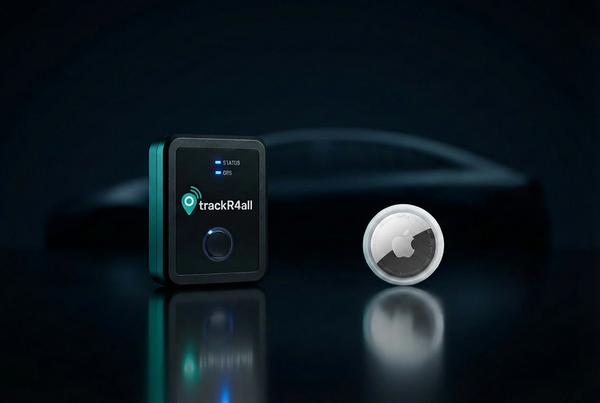
4G Tracker vs. Bluetooth Tracker: Which Tracking System Should You Choose
Between a 4G tracker and a Bluetooth tracker, the choice is not always obvious. Both promise to help you f...
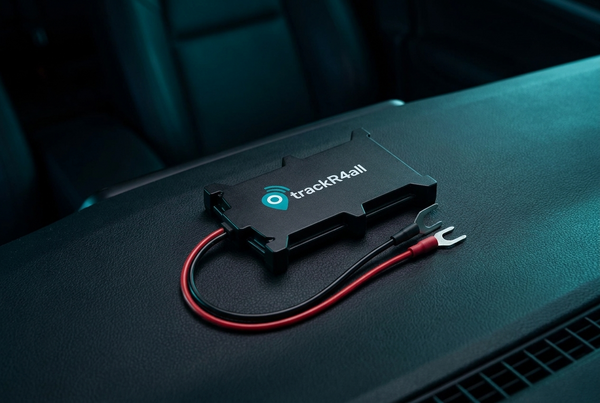
Easy Finder 4G installation: complete installation guide
This 4G GPS tracker has been designed to remain simple to use, while offering highly reliable real-time geo...
Driver behavior detection: how to spot abnormal driving behavior
Driver monitoring is no longer just for experts: it now concerns both road safety and risk management for ...