

How to track a vehicle after lending it to a friend or employee
Lending your car to a friend to help them out, or entrusting a company vehicle to an employee, often seems harmless. As long as everything goes well, no one worries. But when the vehicle is not returned on the agreed date, anxiety begins: how to recover a loaned vehicle? What to do in case of a loaned car not returned, without immediately going to court?
This article explains, in simple language, the steps to follow to recover a loaned vehicle, whether you are an individual or a company. We will first look at amicable approaches, then possible legal remedies in France, and finally best practices to secure your future car loans.
👉 Do you often lend your vehicle?
Consider being able to locate it in case of a problem with a GPS tracker. Discover Easy Finder 4G for cars and utility vehicles

1. Start with amicable approaches
Before considering a complaint or legal action, it is highly recommended to attempt all possible amicable approaches. They often allow the situation to be resolved quickly and, as much as possible, preserve the relationship with the friend or employee concerned.
1.1. For individuals: lending a car to a friend or relative
In the context of a car loan between friends, the personal relationship is central. The first step is simply to calmly re-establish contact with the borrower. A phone call or message can sometimes be enough, especially if the delay is due to a simple oversight, a personal problem, or a misunderstanding about the loan duration.
- Remind them of the date the car was supposed to be returned.
- Clearly explain that the vehicle remains your property.
- Suggest a specific date and place for its return.
The goal is to clarify the situation without aggression, but by showing that you are following up. Remember to keep written messages, which can serve as evidence in case of a future dispute.
👉 Practical tip for individuals:
Formalize your loans with a simple written agreement. You can create your own template or use a vehicle loan agreement template. Download a loan agreement template
1.2. For businesses: company or service vehicle
For a business, employee vehicle recovery must be more formalized. In the event of a company vehicle not returned, particularly after a resignation or dismissal, it is advisable to proceed in written and dated stages.
- Call the employee to remind them of their obligation to return the vehicle.
- Send a summary email to the employee, management, and human resources.
- Send a written invitation to return the vehicle on a specific date at the company's premises.
These initial steps demonstrate your good faith and will constitute a useful file if the situation deteriorates and requires more extensive legal action.
👉 For fleet managers:
Track your company vehicles in real time and anticipate non-returns using tracking. Easy Finder 4G solution for company vehicles
Asset Finder 4G Rechargeable for utility vehicles and equipment
2. Issue a formal demand for vehicle return
If verbal reminders and emails remain unanswered, the next step is to send a formal demand for car return. This is a registered letter with acknowledgment of receipt, by which you formally request the return of the vehicle within a specified timeframe.
2.1. What a formal demand should contain
Whether you are an individual or an employer, your formal demand should contain at least the following elements:
- Identity of the lender and the borrower.
- Precise description of the vehicle: make, model, registration.
- Reminder of the circumstances of the loan and the initially planned duration.
- Statement that the vehicle has not been returned despite your amicable reminders.
- Requirement for return within a short period, for example, eight days.
- Indication that failing this, you reserve the right to initiate legal proceedings.
This letter marks a turning point: it is no longer just an informal discussion, but an important legal step. Carefully keep a copy of the letter and the acknowledgment of receipt.
2.2. Simple example of wording
Without replacing the advice of a lawyer, you can use a phrase such as: "I hereby demand that you return the vehicle registered XX-000-XX within eight days of receiving this letter. Failing this, I will be compelled to consider all necessary procedures, including filing a complaint for breach of trust regarding the vehicle." This wording is clear and understandable for any reader.
👉 Save time:
Prepare your letter by relying on a structured template. Download a formal demand template
3. When is it considered a breach of trust regarding a vehicle?
A borrower who refuses to return a car does not necessarily commit theft in the strict sense, as you voluntarily handed over the vehicle to them. In French law, the situation corresponds more to a possible breach of trust regarding the vehicle. This criminal offense is characterized when a person misappropriates an item temporarily entrusted to them, by refusing to return it.
Three elements are generally examined by the authorities:
- The loan was supposed to be time-limited or for a specific use.
- You have clearly requested the return of the vehicle several times.
- The borrower keeps the car for personal use or no longer provides updates.
If these conditions seem to be met, you can consider filing a complaint for an unreturned car for breach of trust. Before doing so, it is still recommended to seek advice from a lawyer or legal service to verify that your case is solid and properly documented.
👉 Need personalized legal advice?
Make an appointment with a lawyer or legal information center near you. Official information on breach of trust – service-public.fr
4. Legal remedies to recover a loaned vehicle
When the formal demand has been ineffective, several types of remedies become available, depending on whether you are an individual or a business. The idea is not to turn you into a lawyer, but to understand the broad outlines so you know who to turn to.
4.1. For individuals: criminal complaint and civil action
As an individual, if your loaned car not returned is still not handed back, you can file a complaint with the police or gendarmerie. Provide all useful information: vehicle registration certificate, ID, message exchanges, copy of the formal demand, any written loan agreement, etc.
In parallel, a civil action can be initiated to claim damages, for example, if you had to rent a vehicle or lost work days. In complex cases, assistance from a specialized lawyer is highly recommended.
4.2. For businesses: labor law and criminal law
For an employer facing a company vehicle not returned, the situation has a dual dimension, both disciplinary and criminal. Under labor law, the refusal to return a vehicle can constitute serious misconduct, potentially justifying dismissal proceedings, subject to compliance with procedural rules and proportionality of the sanction.
In parallel, the company can also file a complaint for breach of trust if the employee diverts the vehicle for personal use or refuses to return it despite several reminders. The clauses in the employment contract and potentially the vehicle charter are crucial for securing these steps.
👉 For HR managers and executives:
Consider combining legal frameworks (clauses, procedures) with technical fleet tracking tools. Discover Trackr4all solutions for professional vehicles
5. Useful contacts for support
When a loaned car is not returned, it's normal to feel helpless. Several contacts can, however, guide you:
- Police or gendarmerie, for filing a complaint or for simple inquiries.
- Your insurer, to check your coverage and declare a potential claim.
- A lawyer specializing in criminal law or labor law, depending on the context.
- Your company's legal department, if you are an employer.
Individuals can also turn to a legal aid center (maison de justice et du droit) or consumer associations. Companies often have agreements with law firms for this type of case.
👉 To go further:
Consult official practical guides and contact a legal professional if the situation becomes deadlocked. Access the service-public.fr portal
6. Preventive measures to avoid future problems
The best way to manage an unreturned vehicle is prevention. Adding a bit of formality at the time of lending helps clarify everyone's expectations and limit misunderstandings. This is true for individuals, and even more so for professionals.
6.1. Written loan agreement between individuals
Even among friends or family, a short written document can make a big difference. A vehicle loan agreement specifying the identity of the lender and borrower, start and end dates, conditions of use, prohibition of lending to a third party, and return procedures, will constitute valuable proof in case of a dispute.
This contract can remain simple, but it shows that the car was not given, only loaned. It then facilitates any recovery of a loaned vehicle by giving the judge a clear basis for understanding the situation.
👉 Prepare your next loans with peace of mind:
Download a vehicle loan agreement template
6.2. Internal procedures for company vehicles
For companies, it is advisable to include specific clauses regarding company vehicles in the employment contract or in a dedicated charter. These documents can specify usage rules, the framework for eventual private use, obligations in case of contract termination, and possible sanctions in case of non-return.
A vehicle inspection report upon handover and upon return is also useful. In some cases, and subject to compliance with privacy rules, a fleet tracking system can help quickly locate an unreturned or abandoned vehicle.
👉 Secure and manage your fleet:
Easy Finder 4G – for cars and utility vehicles
Asset Finder 4G Rechargeable – for trailers, machinery, and equipment
7. FAQ: frequently asked questions about an unreturned loaned car
What should I do first if my loaned car is not returned?
Start by contacting the borrower, by phone and in writing, to remind them of the initial agreement and set a new return date. If that's not enough, proceed with a formal written demand.
I don't have a written contract, do I still have recourse?
Yes, message exchanges, testimonies, and the vehicle registration document remain useful elements. A written contract facilitates proof, but its absence does not block all action to recover a loaned vehicle.
How long do I have before I can file a complaint?
There is no fixed deadline, but a complaint is generally filed after the failure of amicable efforts and the formal demand. The more documented your case, the more seriously it will be taken.
Can an employer dismiss an employee who does not return a company vehicle?
Yes, the voluntary refusal to return a company vehicle can constitute serious misconduct. The exact qualification, however, depends on the context, contractual clauses, and the employee's overall behavior.
Can I use a GPS tracker to track my loaned car?
For an individual, a tracking system installed on their own vehicle can help locate it, provided the borrower's privacy is respected. For a company, tracking fleet vehicles must be framed by clear information to employees and, if applicable, by consulting employee representatives.
👉 Do you want to avoid experiencing this situation again?
Equip your vehicles with a tracking system and set clear lending rules. See all Trackr4all solutions
Conclusion: act methodically to recover a loaned vehicle
Whether it's a casual loan to a friend or a company vehicle given to an employee, an unreturned car always creates tension. By adopting a progressive approach – amicable reminder, formal demand, then, if necessary, legal recourse – you significantly increase your chances of recovering your vehicle quickly, while remaining within the legal framework.
If your situation is already stuck, do not hesitate to consult a lawyer or a legal information service for personalized advice. Finally, think about the future: a loan agreement, clear clauses in the employment contract, well-defined internal procedures, and a GPS tracker are all tools that help limit conflicts around loaned vehicles.
👉 Take action now:
Protect my car or utility vehicle with Easy Finder 4G
Secure trailers, motorhomes, and equipment with Asset Finder 4G
Discover the full Trackr4all range
Articles similaires
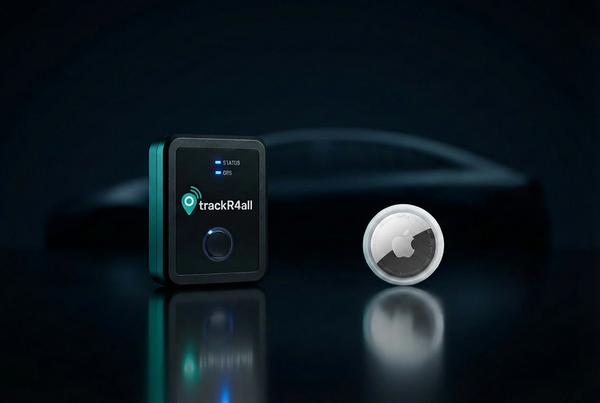
4G Tracker vs. Bluetooth Tracker: Which Tracking System Should You Choose
Between a 4G tracker and a Bluetooth tracker, the choice is not always obvious. Both promise to help you f...
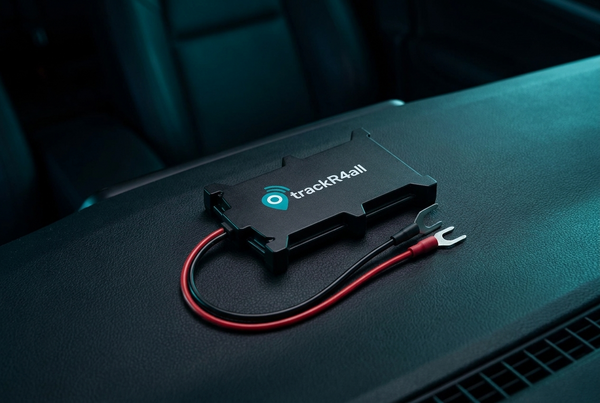
Easy Finder 4G installation: complete installation guide
This 4G GPS tracker has been designed to remain simple to use, while offering highly reliable real-time geo...

Driver behavior detection: how to spot abnormal driving behavior
Driver monitoring is no longer just for experts: it now concerns both road safety and risk management for ...